इंदिरा कला संगीत विश्वविद्यालय, खैरागढ़ —
इतिहास, पाठ्यक्रम और कलात्मक विरासत
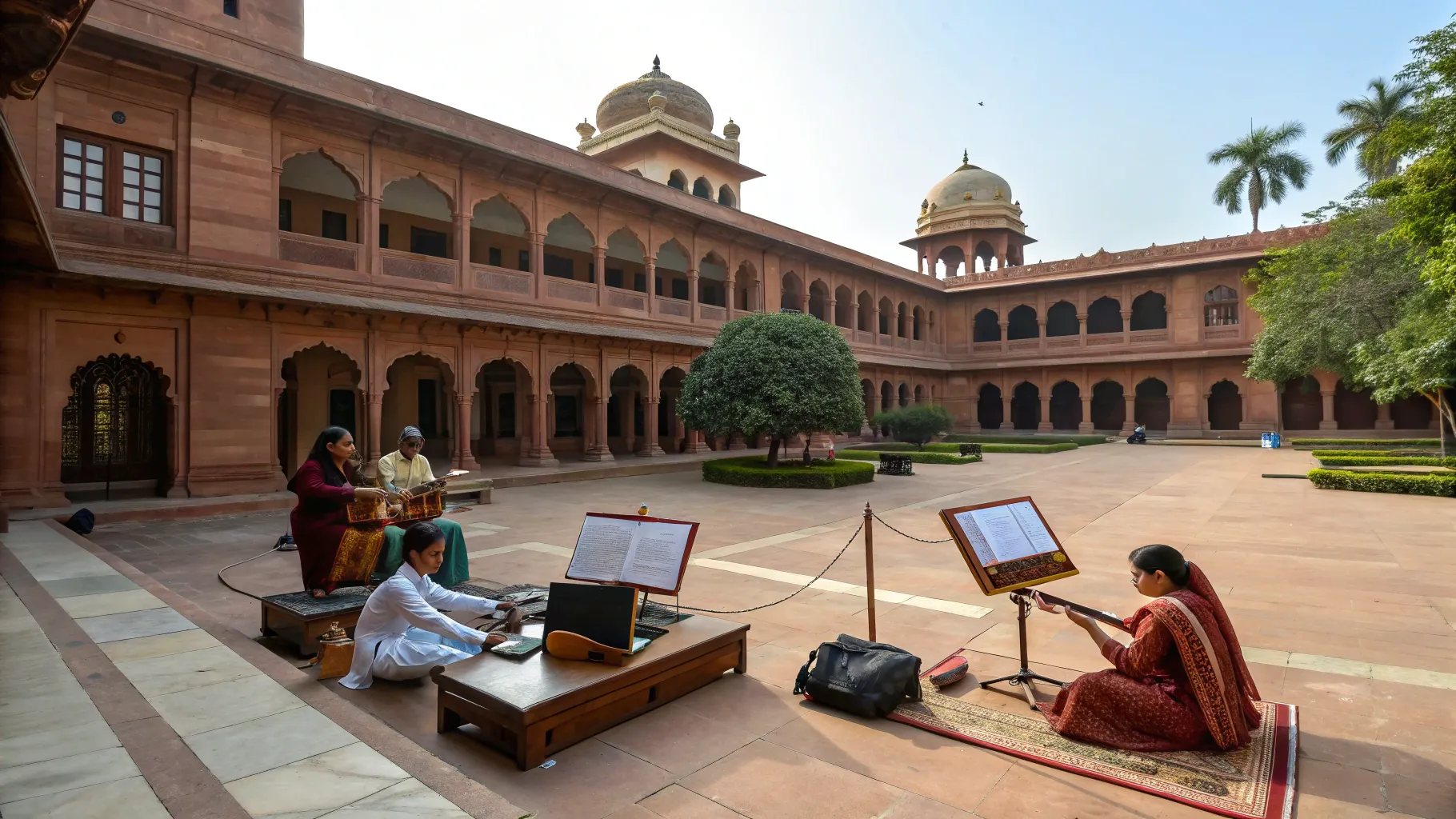
खैरागढ़ स्थित यह विश्वविद्यालय भारत की सांस्कृतिक धरोहर का एक जीवंत केंद्र है। संगीत और कला को समर्पित दुनिया भर की चुनिंदा संस्थाओं में से एक होने के नाते यहाँ न सिर्फ पारंपरिक गुरु-शिष्य परंपरा जीवंत है, बल्कि आधुनिक अनुसंधान और अन्तरविषयक अध्ययन का भी मजबूत माहौल मिलता है।
विषय सूची
🏛️ इतिहास और स्थापना
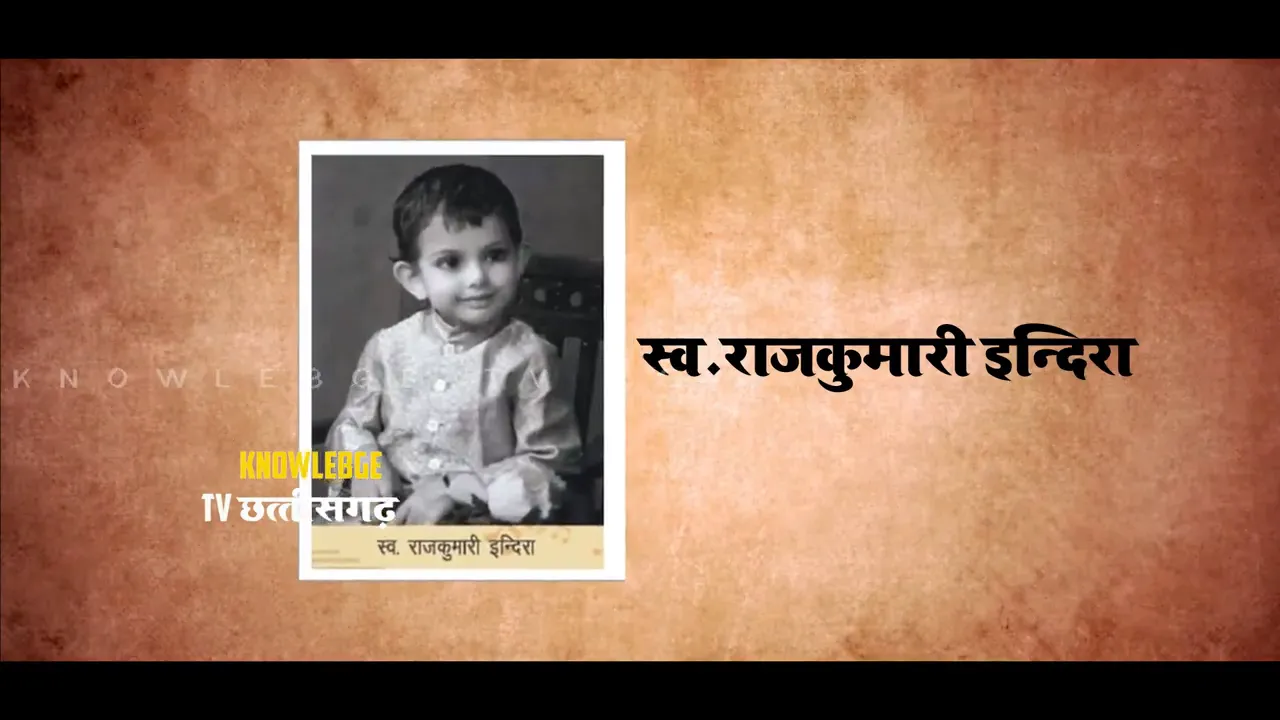
1956 में राजा वरेन्द्र बहादुर सिंह और रानी पद्मावती के नेतृत्व में इस संस्थान की नींव रखी गई। उन्होंने विश्वविद्यालय की स्थापना के लिए अपने शाही आभूषण दान किए और संस्थान आज भी उन्हीं इमारतों में कार्यरत है। इसका नाम इंदिरा के नाम पर रखा गया — राजा की बेटी जो संगीत की बहुत प्रेमी थीं और जिनकी छोटी आयु में मृत्यु हो गई। यही वजह है कि विश्वविद्यालय का नाम उनके सम्मान में रखा गया।
🎓 पाठ्यक्रम और अकादमिक संरचना
यह विश्वविद्यालय सैद्धांतिक और व्यावहारिक दोनों तरह की शिक्षा प्रदान करता है। मुख्य विभागों में संगीत, नृत्य, ललित कला और लोक संगीत शामिल हैं।
डिग्री स्तर: सर्टिफिकेट, डिप्लोमा, स्नातक, स्नातकोत्तर और डॉक्टरेट तक के पाठ्यक्रम उपलब्ध हैं।
शॉर्ट-टर्म और लॉन्ग-टर्म: शॉर्ट-ट्रेनिंग से लेकर गहन शोध तक के विकल्प मौजूद हैं।
शैलियाँ: हिंदुस्तानी और कर्नाटक दोनों शैलियों में प्रशिक्षण दिया जाता है।
इंटरडिसिप्लिनरी रिसर्च: संगीतशास्त्र, दृश्य कला और लोक-परंपराओं के समन्वय पर विशेष ध्यान है।
🏫 परिसर, पुस्तकालय और संग्रह
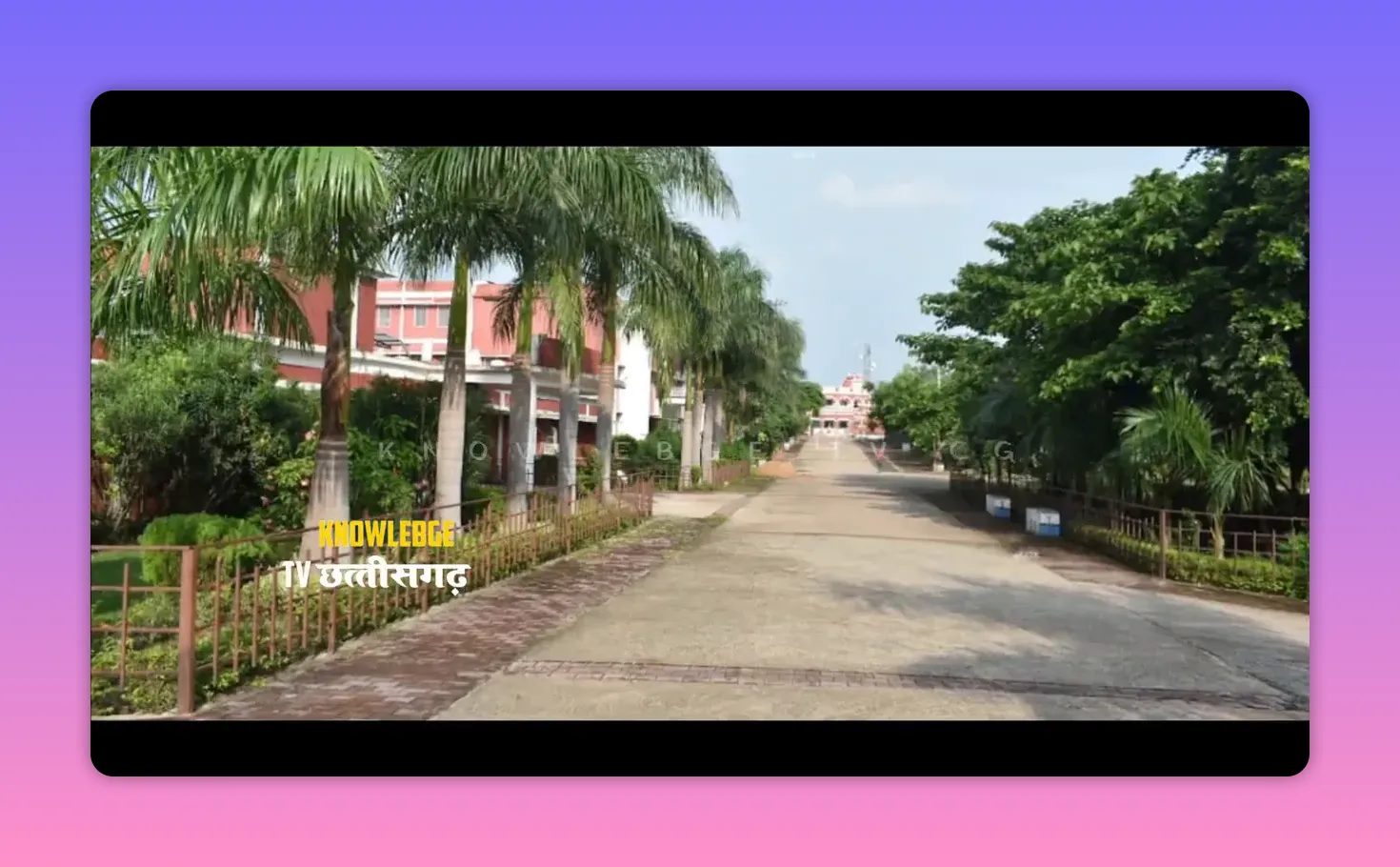
पाठ्य सामग्री व शोध करने वालों के लिए सुविधाएँ समृद्ध हैं। पुस्तकालय में हजारों पुस्तकें उपलब्ध हैं और संगीत म हारों के ऑडियो-वीडियो टेप का बड़ा संग्रह शोधार्थियों के लिए एक अनमोल संसाधन है। कला विभाग के छात्रों के लिए आधुनिक कृतियों के वीडियो और स्लाइड का भंडार भी मौजूद है।
विशेष संग्रहों में शामिल हैं:
वाद्य-वर्ग: सभी प्रकार के पारम्परिक व आधुनिक वाद्ययंत्रों का संग्रह।
आकृतिक और पुरातात्विक गैलरी: क्षेत्रीय कला और दस्तावेजों का प्रदर्शन।
समकालीन व लोक कला संग्रह: देश भर की विविध कलात्मक अभिव्यक्तियों का संकलन।
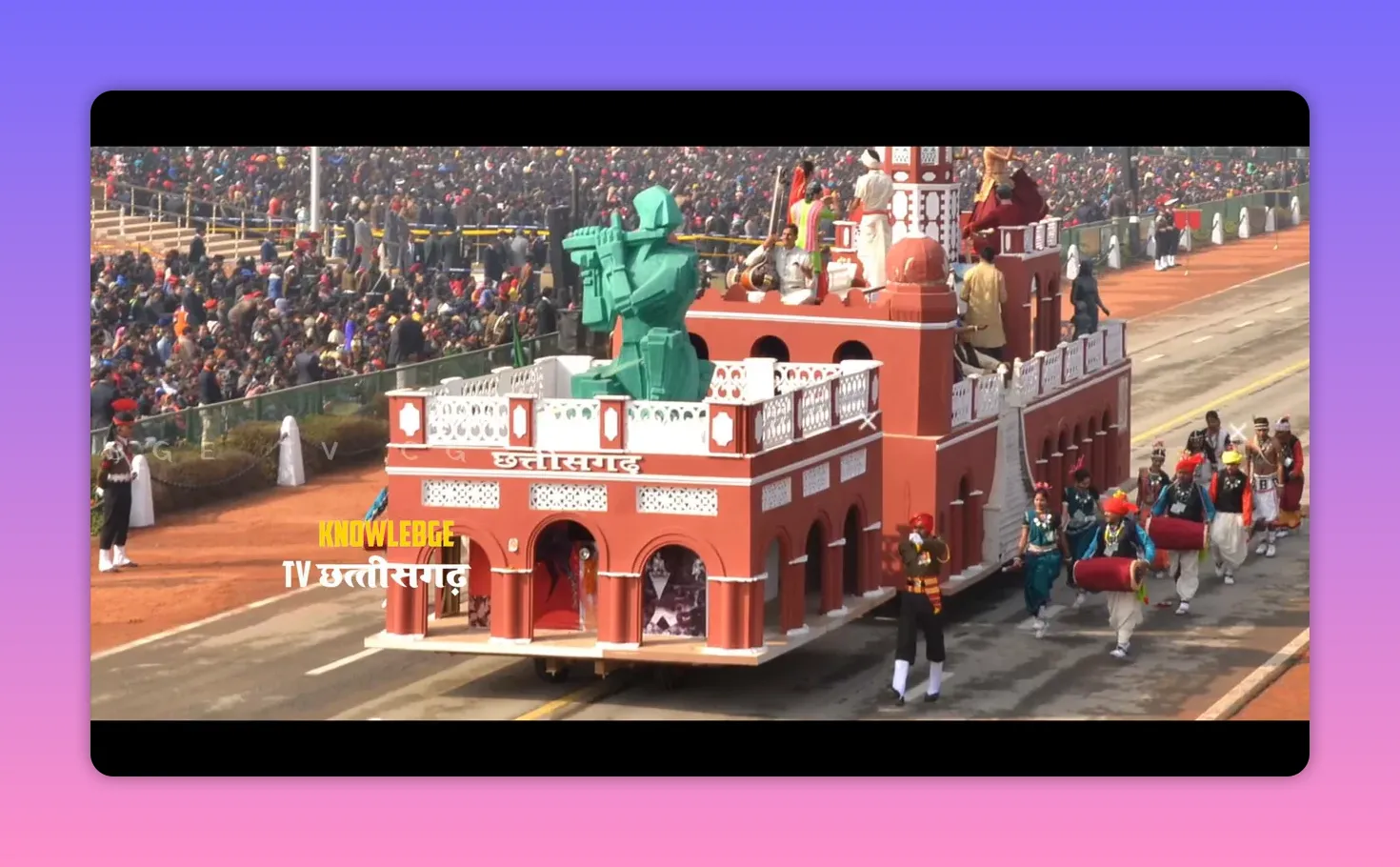
🎭 उत्सव, कार्यशाला और छात्र जीवन
विश्वविद्यालय में साल भर सांस्कृतिक गतिविधियाँ चलती रहती हैं। नियमित संगीत-और-कलात्मक महोत्सव, युवा उत्सव और साप्ताहिक श्रुति मंडल जैसे कार्यक्रम छात्रों को प्रदर्शन और प्रयोग का मंच देते हैं। यहाँ अक्सर देश-विदेश के कलाकार अतिथि संकाय के रूप में आते हैं, जिससे छात्रों को प्रत्यक्ष मार्गदर्शन मिलता है।
स्थानीय और राष्ट्रीय प्रदर्शनों के अलावा अन्तरराष्ट्रीय विद्यार्थी भी यहां आकर भारतीय संगीत की परंपराएँ सीखते हैं। इनके लिए एक विशेष छात्र-ग्राम स्थापित है जहाँ अंग्रेजी भाषा का प्रशिक्षण भी दिया जाता है और हॉस्टल सुविधा उपलब्ध है।
🌟 प्रसिद्ध पूर्व छात्र और संकाय
यहाँ से निकले कई कलाकारों ने राष्ट्रीय स्तर पर अपना नाम बनाया है। इनमें सोनू निगम जैसे सफल गायक भी शामिल हैं। विश्वविद्यालय ने बहुत से स्थानीय और राष्ट्रीय प्रतिभाओं को मंच दिया है और अभी भी संगीत प्रेमियों के लिए एक आकर्षक शिक्षा केंद्र बना हुआ है।
🔬 अनुसंधान और अंतरविषयक पहल
इंदिरा कला संगीत विश्वविद्यालय सिर्फ प्रदर्शन तक सीमित नहीं है। यहाँ संगीत के इतिहास, लोक-रहस्यों, वाद्ययंत्र विज्ञान और दृश्य कला के सम्मिलन पर गंभीर शोध होता है। शोधार्थियों के लिए अनुशंसित संसाधन और सलाहकार उपलब्ध हैं। विश्वविद्यालय का उद्देश्य परम्परा को संरक्षित करते हुए नवाचार को बढ़ावा देना है।
❓ अक्सर पूछे जाने वाले प्रश्न
इंदिरा कला संगीत विश्वविद्यालय कहाँ स्थित है?
यह विश्वविद्यालय छत्तीसगढ़ के राजनांदगांव जिले के खैरागढ़ में स्थित है, जो अपने ऐतिहासिक और सांस्कृतिक परिवेश के लिए जाना जाता है।
यहाँ किस-किस विषय में कोर्स उपलब्ध हैं?
मुख्य विषयों में संगीत (गायन तथा वाद्य), नृत्य, ललित कला और लोक संगीत शामिल हैं। सर्टिफिकेट से लेकर डॉक्टरेट तक के पाठ्यक्रम उपलब्ध हैं।
क्या यह संस्थान सिर्फ भारतीय शैलियों तक सीमित है?
नहीं। यहाँ हिंदुस्तानी और कर्नाटक दोनों शैलियों का प्रशिक्षण मिलता है और पारंपरिक व आधुनिक कला दोनों के लिए कोर्स तैयार किए गए हैं।
क्या विदेशी विद्यार्थी यहाँ पढ़ सकते हैं?
हाँ। विदेशी विद्यार्थियों के लिए विशेष आवासीय व्यवस्था और अंग्रेजी प्रशिक्षण की सुविधाएँ उपलब्ध कराई जाती हैं ताकि वे भारतीय संगीत को आसानी से सीख सकें।
किस प्रकार की शोध सुविधाएँ उपलब्ध हैं?
पुस्तकालय में हजारों किताबें, ऑडियो-वीडियो टेप्स, आधुनिक कला के वीडियो और स्लाइड्स उपलब्ध हैं। साथ ही निर्देशकों व अतिथि संकाय के मार्गदर्शन में अन्तरविषयक अनुसंधान को बढ़ावा मिलता है।
छात्र जीवन और सांस्कृतिक गतिविधियाँ कैसी हैं?
छात्रों के लिए वार्षिक महोत्सव, युवा उत्सव और साप्ताहिक श्रुति मंडल जैसे मंच नियमित रूप से आयोजित होते हैं, जो प्रयोग और प्रदर्शन के लिए बेहतरीन अवसर प्रदान करते हैं।
📝 निष्कर्ष
इंदिरा कला संगीत विश्वविद्यालय, खैरागढ़, परंपरा और नवाचार का संयोजन है। संगीत और कला के प्रति समर्पण, समृद्ध संसाधन और सक्रिय सांस्कृतिक जीवन इसे उन विद्यार्थियों के लिए एक आदर्श स्थान बनाते हैं जो भारतीय एवं विश्वकलाओं में गहरी समझ और अभ्यास दोनों चाहते हैं। यदि आपकी रुचि संगीत या ललित कला में है, तो यह संस्थान एक गहन और प्रेरक सीखने का माहौल प्रदान करता है।
Hindustani Vocal - Lesson 1 - Introduction to Hindustani Classical Music and Raag Bhairav
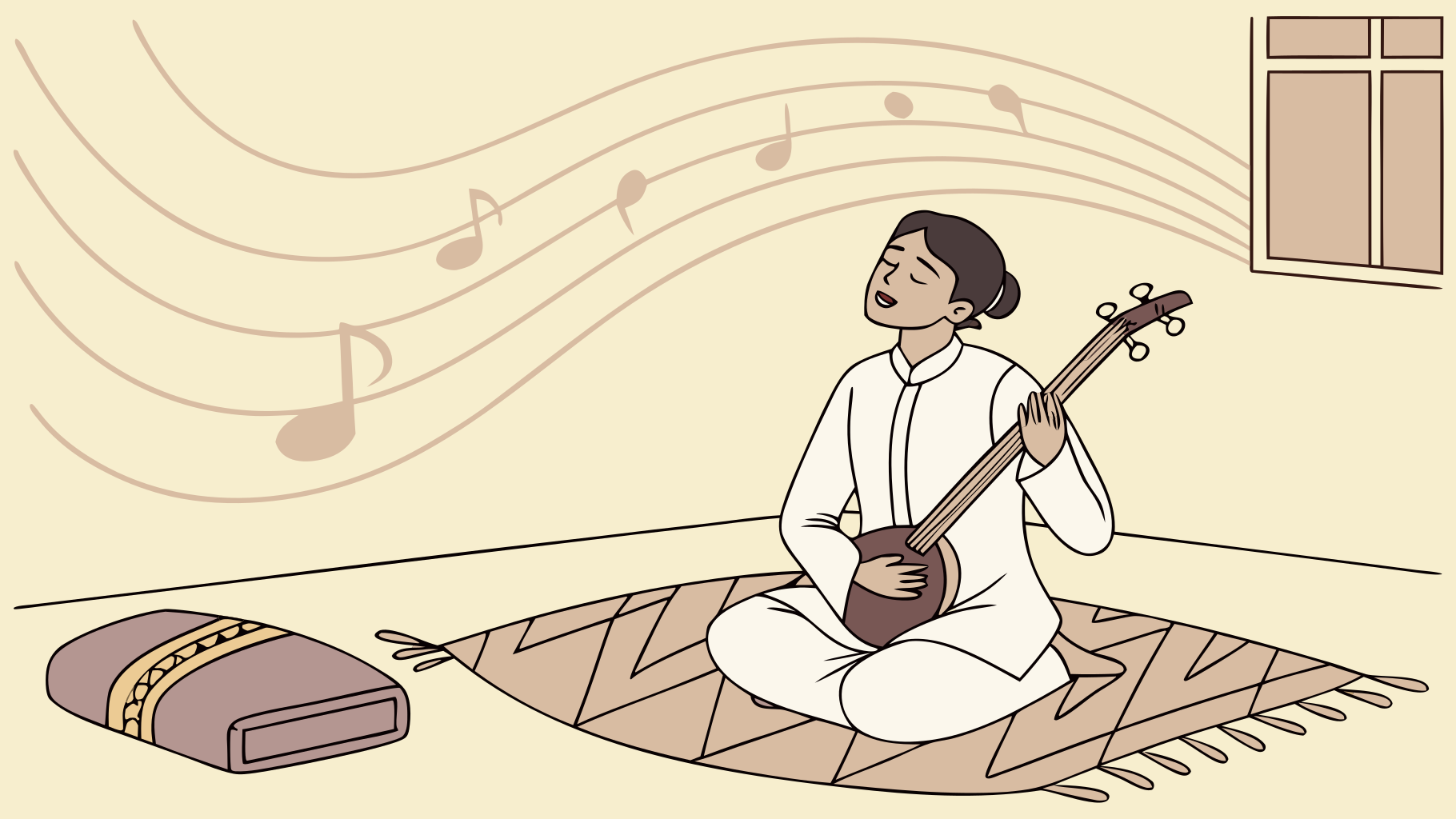
This article introduces the essentials every beginner needs to start learning Hindustani vocal music. It covers the primacy of shruti, how to find and set your pitch, the role of the tanpura, the seven swaras and octaves, a brief introduction to Raag Bhairav, and practical exercises called paltas to develop swaragyan.
Understanding Shruti and Pitch 🎵
In Hindustani classical music the foundation is expressed in the phrase:
"Shrithir, Mata, Laipita."
This highlights that shruti or the drone is central. As one teacher puts it,
"Without Shruti, there is no life."
Shruti is the tonal reference that remains constant while the notes move. Think of it as the frame that lets you perceive melodic movement. When singing, every swara is heard relative to this unchanging reference. That is why the first task for a teacher is to find the student’s correct shruti or pitch.
Finding Your Natural Pitch 🎤
Finding the right pitch matters because it determines how comfortably you can sing across the raga's range. If the chosen pitch is too high, higher phrases will be difficult. If it is too low, lower phrases will be lost. The teacher identifies your pitch by having you sing freely and matching it on a harmonium or pitch pipe.
Typical pitch ranges to use as a guideline:
Male voices: generally between B and D, sometimes slightly below or above by a semitone. Exceptional singers may go higher.
Female voices: generally between G and A sharp, with small variations.
Important practice rule: the harmonium is used only to find and confirm your pitch. After that, it is put away for learning. The goal is to sing with the drone, not to rely on the keyboard to carry you.
Tanpura and Why It Matters 🎶
Once the pitch is set, the tanpura becomes the constant sonic companion. Whether it is a traditional tanpura, a shruti box, an electronic tanpura or a trusted software, the drone should be present for all practice. Ideal practice includes learning to match the drone yourself; this trains internal pitch stability.
Reasons to practice with a tanpura:
It creates the continuous shruti reference against which intervals are judged.
It trains your ear to hear subtle pitch relationships.
It encourages independence from fixed-pitch instruments during melodic improvisation.
Fundamentals: Swaras, Sthai and Octaves 🪕
Hindustani music uses seven basic swaras: Sa (Shadaj), Re (Reshab), Ga (Gandhar), Ma (Madhyam), Pa (Pancham), Dha (Dhayvat), and Ni (Nishad). These make up a scale within an esthai or octave.
Students should aim to sing comfortably across three sthais:
Mandra Sthai – Lower octave
Madhya Sthai – Middle octave
Tar Sthai – Upper octave
The long term goal is effortless control across all three octaves, but beginners usually start within the middle octave until their voice and technique develop.
Introduction to Raag Bhairav 🕉️
Raag Bhairav is often introduced early in Hindustani training because of its straight forward scale and dignified character. There are two related concepts worth noting:
Thaat Bhairav – the parent scale. Its swaras form a simple ascending and descending framework.
Raag Bhairav – the raga itself. Although it uses the same set of swaras as the thaat, the movement or chalan of the raga gives it a distinct identity.
Key feature in Bhairav: the Re and Dha are komal or flattened in many interpretations. Learning the basic scale and then practicing the characteristic phrases will build familiarity with the raga’s mood and movement.
Practicing with Paltas: Building Swaragyan 🧠
Swaragyan is the awareness and command of swaras. Paltas are short, repetitive patterns designed to train accuracy, agility and memory for the swaras. A structured approach begins with small groupings and gradually expands.
Typical progression using paltas:
Start with groups of two notes and practice ascending and descending.
Move to groups of three and then four.
Continue with five and six note groups, and finally practice the full seven-note scale.
These exercises should be practiced slowly and evenly against the tanpura until the voice can move between swaras with control. Once steady, increase tempo and add dynamics. Also practice the same patterns in the descending order to mirror melodic motion.
Practical Steps for Beginners ✅
A simple checklist to get started:
Find your pitch with a teacher using a harmonium or pitch pipe.
Set the tanpura to that pitch and use it for every practice session.
Work on basic paltas in the middle octave: two, three, four note groups, and progress to seven.
Practice daily with focus on evenness, pitch accuracy, and relaxation of throat and breath.
Learn the scale of Raag Bhairav and begin with simple characteristic phrases before attempting complex improvisation.
Closing thoughts 🌟
Hindustani vocal training begins with a clear foundation: correct pitch, a steady drone, and disciplined swara practice. Build swaragyan through consistent paltas and gradual expansion of range and speed. With patience and a reliable practice framework these fundamentals will open the door to expressive improvisation and deeper understanding of ragas such as Bhairav.